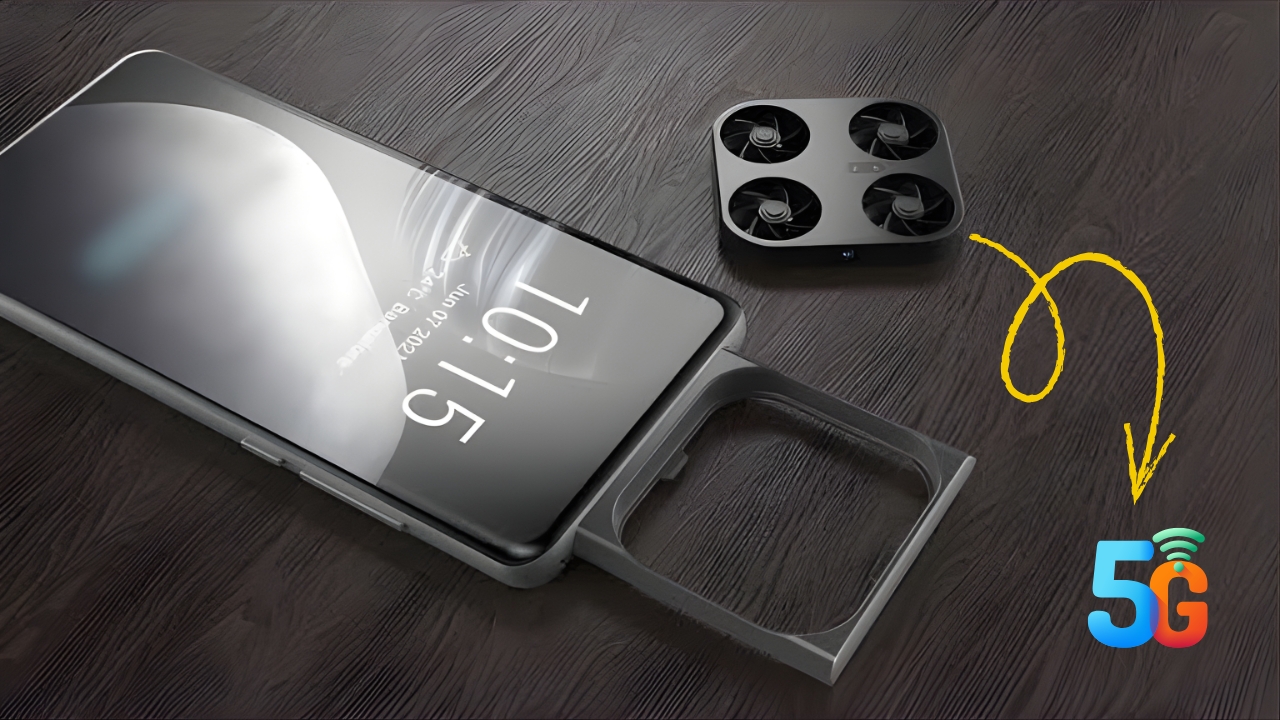
Smartphone innovation has come a long way over the past decade, but manufacturers continue to explore new ideas that push the boundaries of mobile technology. One of the most talked-about concepts in recent years is the Vivo Flying Camera Phone 2026. The device has generated significant interest because of its rumored detachable drone-style camera, which could completely transform the way users capture photos and videos.
While still surrounded by speculation and early concept leaks, the idea behind this device has captured the attention of tech enthusiasts worldwide. If Vivo manages to turn this futuristic concept into a real product, the Flying Camera Phone could introduce a completely new category of mobile photography.
Futuristic Design With an Immersive Display
The Vivo Flying Camera Phone 2026 is expected to feature a premium design that reflects its futuristic concept. Early reports suggest the device may include a large 6.9-inch Super AMOLED display designed to deliver vibrant colors, deep contrast, and excellent brightness levels.
With Quad HD+ resolution, the screen could provide sharp visuals whether users are watching videos, playing games, or editing photos. The display is also rumored to support a 144Hz refresh rate, which would allow smoother animations and scrolling throughout the user interface.
Slim bezels and curved edges may give the device a sleek and modern appearance. The phone is expected to use a glass and metal construction that enhances both durability and aesthetics.
What makes the design truly unique, however, is the integration of the flying camera module. This detachable component would be built into the body of the phone and could be released when users want to capture aerial photos or creative angles.
Innovative Flying Camera Technology
The highlight of the Vivo Flying Camera Phone 2026 is undoubtedly its drone-style detachable camera system. According to concept reports and patent information, this camera module may function like a small drone capable of flying short distances.

Once detached from the phone, the camera could hover in the air and capture photos or videos from angles that are normally impossible with standard smartphones. This technology may allow users to shoot aerial selfies, group photos, and cinematic videos without needing additional equipment.
The flying camera module is rumored to include a powerful 200MP primary sensor designed to capture extremely detailed images. Advanced stabilization technology could help keep footage steady even while the camera is moving.
Another expected feature is 360-degree rotation, which would allow the drone camera to adjust angles freely. AI-powered tracking may enable the camera to follow the user automatically, making it ideal for action shots, travel videos, and creative photography.
Gesture controls could also be included so users can command the camera using simple hand movements while it is in the air.
Flagship-Level Performance
Beyond its unique camera system, the Vivo Flying Camera Phone 2026 is expected to offer powerful hardware capable of handling demanding tasks.
The device may run on the Qualcomm Snapdragon 8 Gen 4 processor, which is expected to deliver top-tier performance in upcoming flagship smartphones. This chipset should provide fast processing speeds, improved graphics performance, and efficient power management.
To support heavy multitasking and advanced camera features, the smartphone may come with 12GB or 16GB of RAM. Storage options could go up to 1TB, giving users plenty of space for photos, videos, apps, and files.

Such powerful hardware would allow the phone to handle gaming, video editing, and high-resolution photography without slowing down.
Large Battery Designed for Advanced Features
Because the flying camera module requires additional power, the Vivo Flying Camera Phone 2026 is expected to include a large battery.
Reports suggest the device could feature a massive 7000mAh battery designed to support extended usage. This capacity would help power both the smartphone and the detachable drone camera.
The phone may also support 120W fast charging technology, allowing the battery to recharge quickly. This means users would not have to wait long before using the device again.
Wireless charging could also be included with support for speeds up to 50W. The flying camera module itself is rumored to have a small built-in battery that automatically recharges when the module is docked back into the phone.
Software and Smart Features
The Vivo Flying Camera Phone 2026 is expected to run on Android 15 combined with Vivo’s Funtouch OS interface. This software platform typically offers smooth performance, customizable features, and several AI-powered enhancements.
Advanced photography modes may take advantage of the flying camera’s capabilities, allowing users to create unique content for social media and video platforms.

Other expected features include an in-display fingerprint scanner for quick unlocking, 5G and WiFi 7 connectivity for faster internet speeds, and stereo speakers for immersive audio.
The phone may also include IP68 water and dust resistance, ensuring durability even with its advanced design.
Final Verdict
The Vivo Flying Camera Phone 2026 represents one of the most ambitious concepts in modern smartphone design. With its detachable drone-style camera, powerful flagship processor, large battery, and premium display, the device could offer a completely new approach to mobile photography.
